
By Shola Akingboye Monday, 12th October, 2020.
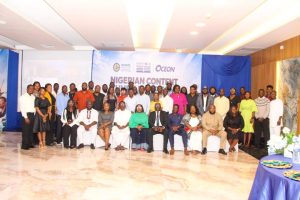
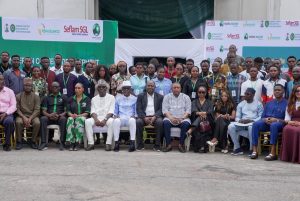
It was an all inclusive affairs in Abuja on Monday, 12th October, 2020 as the FG launched a multi- stakeholders coordination through Reproductive, Maternal, Newborn, Child, Adolescent and Elderly Health Plus Nutrition (RMNCAEH+N) Partnership Platform.

The Honourable Minister of Health, Dr. Osagie Ehanire ahead of the Monday’s launch had announced last week the ministry’s readiness for the establishment of RMNCAEH+N Multi-Stakeholder Partnership Coordination Platform.
At the launch at the Transcorp Hilton Hotel, Monday, 12th October, 2020, the Minister opined that “At least $252 million (two hundred and fifty-two million US dollars) will be required for full implementation of the Blueprint across Federal, State, Local government and community levels.”


According to him, the journey of Nigeria to attain Universal Health Coverage (UHC) and Sustainable Development Goals (SDGs) which has been difficult and its coordination which has been fraught with challenges may soon come to an end with the launch of the Reproductive, Maternal, Newborn, Child, Adolescent and Elderly Health Plus Nutrition (RMNCAEH+N) Multi-Stakeholder Partnership Coordination Platform.
While speaking before the launch of the stakeholder partnership coordinating platform, Dr. Ehanire has observed that “the health of Nigerian women and children has not fared too well” given Nigeria’s poor health indices where the maternal mortality ratio is 512 per 100,000 live births, prenatal mortality rate is 49 per 1,000 live births, neonatal mortality is 38 per 1,000 live births, infant mortality is 67 per 1,000 live births and under-5 mortality is 132 per 1,000 live births (NDHS 2018).
The report detailed by the Honourable Minister further showed that “Female genital mutilation (FGM), gender-based violence (GBV), teenage pregnancy, unplanned pregnancy and unsafe abortion among adolescents, as well as the impact of the COVID-19 on the elderly, have all become major public health emergencies.”
He concluded the grim picture with additional observation that there is an “Increase in the prevalence of wasting among children due to malnutrition.”
The Minister surmised that the aforementioned indicate that “a lot still needs to be done” by a combination of the authorities, stakeholders and partners to ameliorate the plight of Nigerians in the aspect of healthcare despite the modest but slow progress made over the last decade.
Dr. Ehanire said what would have been seen as progress was also besotted by the COVID-19 pandemic which further weakened Nigeria’s already fragile health system. He however said that “Despite the pandemic, we are unrelenting in our push to achieve global targets.”
“We have recorded some progress towards improvement of child survival and safe-motherhood through the provision of ready to use therapeutic food (RUTF) and sustaining the Family Planning 2020 (FP2020) commitments to ensure availability of family planning services to women and adolescents of reproductive age. In the same vein, making the National Health Act, 2014 (NHAct) through the Basic Health Care Provision Fund (BHCPF) operational, will greatly improve access to quality health care, particularly at the primary health care (PHC) level.”
The Honourable Minister’s optimism was also anchored on the National Emergency Medical Treatment Committee (NEMTC) which he said will provide emergency medical transport for health emergencies including pregnant women, to facilitate access to emergency obstetric care at the time of need. “The provision of emergency transport alone has been demonstrated to reduce maternal mortality by as much as 50%”, the Minister said.
Dr. Ehanire declared that the vision of the RMNCAEH+N Multi-Stakeholder Partnership Coordination Platform is to be driven by key stakeholders which have an institutional mandate, passion and track record of work related to the wellbeing of women, children, adolescent and-or the elderly. He went on to reveal membership of the Coordination Platform as follows:-
The Head of the Department of Family Health and Heads of Programmes in Family Health in Federal Ministry of Health; The Heads of the Departments of Hospital Services; Health Planning, Research and Statistics; Food and Drugs Services; Public Health; Public-Private Partnership and Diaspora; and Special Projects in the Federal Ministry of Health.
Other members from the Agencies of the Federal Ministry of Health include:
The National Primary Health Care Development Agency (NPHCDA); National Health Insurance Scheme (NHIS); National Agency for Food and Drug Administration and Control (NAFDAC); Nigeria Centre for Disease Control (NCDC); National Institute for Pharmaceutical Research and Development (NIPRD), and the Nigeria Institute of Medical Research (NIMR).
The Honourable Minister of Health further listed other members from Heath and Health-Related Parastatals which include: The National Agency for the Control of AIDS (NACA); The National Population Commission (NPopC); The National Bureau of Statistics (NBS), and The National Orientation Agency (NOA).
There are yet other members from Health Regulatory Bodies which include: The Medical and Dental Council of Nigeria (MDCN); The Pharmaceutical Council of Nigeria (PCN); The Nursing and Midwifery Council of Nigeria (NMCN); The Community Health Practitioners Regulatory Board (CHPRB), and The Medical Laboratory Science Council of Nigeria (MLSCN).
Those from Line Ministries include: the Federal Ministry of Women Affairs; The Federal Ministries of Humanitarian Affairs, Disaster Management and Social Development; Education; Agriculture and Rural Development; Finance, Budget and National Planning; Communication and Digital Economy; and Information and Culture.
The Honourable Minister of Health directed that “Commissioners from States’ Ministry of Health will feature on rotational basis, having one per geopolitical zone together with the FCT Secretary of Health and the Chair of the Commissioners Forum.”
From the Legislature, Dr. Ehanire declared that “Parliamentarians will include the offices of the Chairs of the Senate and House Committees on Health” while from the Professional Associations, he included the Nigerian Medical Association (NMA), the Society of Gynecology and Obstetrics of Nigeria (SOGON); the Pediatrics Association of Nigeria (PAN); the Nigerian Society of Neonatal Medicine (NiSoNM); the Association of Public Health Physicians of Nigeria (APHPN); the National Association of Nigerian Nurses and Midwives (NANNM); the Society of Family Health Practitioners of Nigeria (SOFPON); the National Association of Patent and Proprietary Medicines (NAPPMED); the Association of General and Private Medical Practitioners of Nigeria (AGPMPN); the National Association of Community Health Practitioners of Nigeria (NACHPN); the Guild of Medical Directors of Nigeria (GMD); the Medical Women’s Association of Nigeria (MWAN); the International Federation of Women Lawyers (FIDA), Nigeria; the Nutrition Society of Nigeria; the National Maternal and Prenatal Death Review and Surveillance (MPDRS), and the leadership of the programme-based technical working groups (Reproductive Health, Child Health, Adolescent Health, Elderly TWG).
From the ranks of Traditional Leaders, Dr. Ehanire requested representation from each geopolitical zone of the country while from the International and Development Partners, Donor Agencies and Foundations membership of the RMNCAEH+N Multi-Stakeholder Partnership Coordination Platform include the United Nations (UN) Group: the World Health Organization (WHO); the United Nations Children’s Fund (UNICEF); the United Nations Population Fund (UNFPA); the World Bank, and the UN Women.
Members are also drawn from Bilateral organizations: the United States Agency for International Development (USAID); the Bill and Melinda Gates Foundation (BMGF); the Department for International Development (DFID); the Norwegian Agency for Development Cooperation (NORAD); the Japan International Cooperation Agency (JICA), and Global Affairs Canada; and Africa Health Budget Network.
The Coordinating Platform has provision for “an alternate Board Member of the Partnership for Maternal, Newborn and Child Health (PMNCH) and Co-Chair of PMNCH Country Engagement Working Group.”
From the Civil Societies and Women Groups, membership of the RMNCAEH+N Multi-Stakeholder Partnership Coordination Platform is drawn from: National Council for Women Society (NCWS); National Advocates for Health; Representative of Youths and Adolescents; Representative of Women Groups; Representative of Civil Society Organizations (CSOs); HERFON.
From Faith-Based Organizations, membership of the RMNCAEH+N Multi-Stakeholder Partnership Coordination Platform was drawn from representatives of Christian Association of Nigeria (CAN); the National Council on Islamic Affairs (NCIA); and the Nigerian Interfaith Action Association (NIFAA).
Membership was also drawn from Representative of Civil Society Coalition for Maternal, Neonatal and Child Health (MNCH); Legislative Network on Universal Health Coverage (UHC); Coalition of Societies for the Rights of Elder Persons in Nigeria; Network for Health Equity and Development (NHED); Civil Society Scaling up Nutrition in Nigeria (CS-SUNN).
The Media was not left out as membership of the RMNCAEH+N Multi-Stakeholder Partnership Coordination Platform was drawn from amongst them to include the Association of Nigeria Health Journalists (ANHeJ); Nigeria Union of Journalists (NUJ); Nigeria Association of Women Journalists (NAWoJ); Centre for Communication and Social Impact; and International Society for Media in Public Health (ISMPH).
From the Organized Private Sector, and Unions, the followings were included as members of the Platform: Health Care Federation of Nigeria; and National Union of Road Transport Workers (NURTW).
Known Private Philanthropists were also ranked among the membership of the RMNCAEH+N Multi-Stakeholder Partnership Coordination Platform: the Dangote Foundation; the Tony Elumelu Foundation; and the TY Danjuma Foundation were listed.
The Director General of Nigeria Governor’s Forum was also listed as a member of the RMNCAEH+N Multi-Stakeholder Partnership Coordination Platform.
Dr. Osagie Ehanire said the work of the members of the Platform which will begin Tuesday, 13th October, 2020 will mostly be through Committees whose meetings will mostly be virtual.
There were partners who featured prominently through their statement of commitments, collaborative remarks and Legislative remarks at the launch. The Royal Fathers – the Sultan of Sokoto (represented), Obi of Onitsha, the Sheu of Borno and the Ooni of Ife want FG to have clear roles for traditional rulers as well as for FG to note that IDPs would need consideration in terms of nutrition. They also want resources to be set aside for them to mobilize the support of the grassroots.
The Executive Secretary of National Primary Health Care Development Agency (NPHCDA) said the platform will reduce duplication and wants everyone to note that Nigerians are impatient to see action in healthcare delivery. The Executive Secretary of NHIS aligned with the ES NPHCDA and emphasized a need for integration through the platform.
The DG Governors’ Forum pledged the commitment of the Governors to the success of the platform whilst the Chair of the Forum of Health Commissioners assured that all resources of the States will be mobilized in support but wants the FG not to leave any State behind.
WHO’s Walter K. Molombo also gave the endorsement of the World Health Body. UNFPA’s Dep. Rep. as well as the Dep. Rep. of UNICEF were all in attendance virtually and they all pledged their support to the new initiative.
The President of the Nigeria Medical Association, Prof. Innocent Ujah asked that all must work together to reduce duplication, increase coordination and entrench inclusivity and add research for Nigeria to get it right.
FULL SPEECH OF THE HON. MINISTER, DR E. OSAGIE EHANIRE
PROTOCOL
It gives me great pleasure to be part of this historic event today as we renew our commitment to partnership and coordination for the health of women, children, adolescents and the elderly in Nigeria.
Let me first emphasise the unequivocal commitment of the Federal Government of Nigeria to the attainment of Universal Health Coverage (UHC) as well as the Sustainable Development Goals (SDGs).
2. The journey to this point has not been without difficulty; partnership and coordination is fraught with challenges. However, our past mistakes and successes, have afforded us opportunities to gain experience. The lessons learnt in interrupting the transmission of polio, fighting Ebola and HIV & AIDS, will be applied as we chart new directions for partnership.
3. I would like to recognise the work of the Core Technical Committee, and the Technical Working Groups (TWGs) of the different programmatic thematic areas. I must mention that the effectiveness and functionality of these TWGs is one of our major successes; I thank the leadership and members of the technical working groups for their tireless efforts. However, obvious gaps exist in the overall coordination of partnership and integration.
4. There are emerging issues around gender, public health emergencies and, most recently, the COVID-19 pandemic. Glaring limitations in achieving equitable access to quality Reproductive, Maternal, Newborn, Child, Adolescent and Elderly Health Plus Nutrition (RMNCAEH+N) is also a key area of concern for global health and security.
5. The health of Nigerian women and children has not fared too well. You may be aware of Nigeria’s poor health indices; the maternal mortality ratio is 512 per 100,000 live births, perinatal mortality rate is 49 per 1,000 live births, neonatal mortality is 38 per 1,000 live births, infant mortality is 67 per 1,000 live births and under-5 mortality is 132 per 1,000 live births (NDHS 2018). Female genital mutilation (FGM), gender-based violence (GBV), teenage pregnancy, unplanned pregnancy and unsafe abortion among adolescents, as well as the impact of the COVID-19 on the elderly, have all become major public health emergencies.
An increase in the prevalence of wasting among children due to malnutrition, indicates that a lot still needs to be done.
6. Modest but slow progress has been made over the last decade, through combined efforts of multiple players; this yet to translate to desirable outcomes. It is sad to note the setback witnessed in our already fragile health system as a result of the COVID-19 pandemic, which negatively impacted all aspects of development. Despite the pandemic, we are unrelenting in our push to achieve global targets.
7. The administration of President Muhammadu Buhari committed to improve the health and wellbeing of Nigerians, especially vulnerable populations, which are women, children, adolescents and elderly persons. The Economic and Recovery Growth Plan (EGRP 2020) of Mr. President has articulated the pathway to achieve this.
8. We have recorded some progress towards improvement of child survival and safe-motherhood through the provision of ready to use therapeutic food (RUTF) and sustaining the Family Planning 2020 (FP2020) commitments to ensure availability of family planning services to women and adolescents of reproductive age. In the same vein, the operationalisation of the National Health Act, 2014 (NHAct) through the Basic Health Care Provision Fund (BHCPF), will greatly improve access to quality health care, particularly at the primary health care (PHC) level.
9. The National Emergency Medical Treatment Committee (NEMTC) will provide emergency medical transport for health emergencies including for pregnant women, to facilitate access to emergency obstetric care at the time of need. The provision of emergency transport alone, has been demonstrated to reduce maternal mortality by as much as 50%.
10. Distinguished Ladies and Gentlemen, as we consider on the motto “partnering for the wellbeing of women, children, adolescents and the elderly”, our focus is drawn to the core tenet of Universal Health Coverage: aim to leave no one behind.
11. The purpose of this multi-stakeholder coordination platform is to harness the strength of diverse stakeholders and to leverage resources for the maximisation of outcomes and attainment of a shared vision for Nigerians, particularly women, children, adolescents and the elderly. It is unacceptable that our women, children and the aged are dying needlessly from preventable causes.
12. This vision is to be driven by key stakeholders which have an institutional mandate, passion and track record of work related to the wellbeing of women, children, adolescent and-or the elderly.
13. Ladies and gentlemen, I hereby present to you the members of this platform. May I ask that as list the members, please stand briefly or raise a hand for recognition, whether in the hall or in the virtual space:
13.1 Federal Ministry of Health; the head of the department of Family Health and heads of programmes in family health. The heads of the departments of:
13.1.1 Hospital Services;
13.1.2 Health Planning, Research and Statistics;
13.1.3 Food and Drugs Services;
13.1.4 Public Health;
13.1.5 Public-Private Partnership and Diaspora; and
13.1.6 Special Projects.
13.2 Agencies of the Federal Ministry of Health including;
13.2.1 the National Primary Health Care Development Agency (NPHCDA),
13.2.2 the National Health Insurance Scheme (NHIS),
13.2.3 the National Agency for Food and Drug Administration and Control (NAFDAC),
13.2.4 the Nigeria Centre for Disease Control (NCDC),
13.2.5 the National Institute for Pharmaceutical Research and Development (NIPRD), and
13.2.6 the Nigeria Institute of Medical Research (NIMR).
13.3 Heath and Health-Related Parastatals including;
13.3.1 the National Agency for the Control of AIDS (NACA),
13.3.2 the National Population Commission (NPopC),
13.3.3 the National Bureau of Statistics (NBS), and
13.3.4 the National Orientation Agency (NOA).
13.4 Health Regulatory Bodies including;
13.4.1 the Medical and Dental Council of Nigeria (MDCN),
13.4.2 the Pharmaceutical Council of Nigeria (PCN),
13.4.3 the Nursing and Midwifery Council of Nigeria (NMCN),
13.4.4 the Community Health Practitioners Regulatory Board (CHPRB), and
13.4.5 the Medical Laboratory Science Council of Nigeria (MLSCN).
13.5 Line Ministries including;
13.5.1 the Federal Ministry of Women Affairs who is co-chairing this event with me;
13.5.2 the Federal Ministries of Humanitarian Affairs, Disaster Management and Social Development;
13.5.3 Education;
13.5.4 Agriculture and Rural Development;
13.5.5 Finance, Budget and National Planning;
13.5.6 Communication and Digital Economy; and
13.5.7 Information and Culture.
13.6 Commissioners from State Ministries of Health will feature on rotational basis, having one per geopolitical zone together with the FCT Secretary of Health and the Chair of the Commissioners Forum.
13.7 Parliamentarians will include the offices of the Chairs of the senate and house committees on health.
13.8 Professional Associations including;
13.8.1 the Nigerian Medical Association (NMA),
13.8.2 the Society of Gynaecology and Obstetrics of Nigeria (SOGON),
13.8.3 the Paediatrics Association of Nigeria (PAN),
13.8.4 the Nigerian Society of Neonatal Medicine (NiSoNM),
13.8.5 the Association of Public Health Physicians of Nigeria (APHPN),
13.8.6 the National Association of Nigerian Nurses and Midwives (NANNM),
13.8.7 the Society of Family Health Practitioners of Nigeria (SOFPON),
13.8.8 the National Association of Patent and Proprietary Medicines (NAPPMED),
13.8.9 the Association of General and Private Medical Practitioners of Nigeria (AGPMPN),
13.8.10 the National Association of Community Health Practitioners of Nigeria (NACHPN),
13.8.11 the Guild of Medical Directors of Nigeria (GMD),
13.8.12 the Medical Women’s Association of Nigeria (MWAN),
13.8.13 the International Federation of Women Lawyers (FIDA), Nigeria,
13.8.14 the Nutrition Society of Nigeria,
13.8.15 the National Maternal and Perinatal Death Review and Surveillance (MPDRS), and
13.8.16 the leadership of the programme-based technical working groups (Reproductive Health, Child Health, Adolescent Health, Elderly TWG).
13.9 Traditional Leaders (representation from each geopolitical zone).
13.10 International and Development Partners, Donor Agencies and Foundations including;
13.10.1 the United Nations (UN) Group:
13.10.1.1 the World Health Organization (WHO),
13.10.1.2 the United Nations Children’s Fund (UNICEF),
13.10.1.3 the United Nations Population Fund (UNFPA),
13.10.1.4 the World Bank, and
13.10.1.5 UN Women.
13.10.2 Bilateral organisations:
13.10.2.1 the United States Agency for International Development (USAID),
13.10.2.2 the Bill and Melinda Gates Foundation (BMGF),
13.10.2.3 the Department for International Development (DFID),
13.10.2.4 the Norwegian Agency for Development Cooperation (NORAD),
13.10.2.5 the Japan International Cooperation Agency (JICA), and
13.10.2.6 Global Affairs Canada.
13.10.3 Africa Health Budget Network; an alternate Board Member of the Partnership for Maternal, Newborn and Child Health (PMNCH) and Co-Chair of PMNCH Country Engagement Working Group.
13.11 Civil Societies and Women Groups including;
13.11.1 National Council for Women Society (NCWS)
13.11.2 National Advocates for Health
13.11.3 Representative of Youths and Adolescents
13.11.4 Representative of Women Groups
13.11.5 Representative of Civil Society Organisations (CSOs); (HERFON)
13.11.6 Faith-Based Organisations; representatives of Christian Association of Nigeria (CAN), the National Council on Islamic Affairs (NCIA), and the Nigerian Interfaith Action Association (NIFAA)
13.11.7 Representative of Civil Society Coalition for Maternal, Neonatal and Child Health (MNCH)
13.11.8 Legislative Network on Universal Health Coverage (UHC)
13.11.9 Coalition of Societies for the Rights of Elder Persons in Nigeria
13.11.10 Network for Health Equity and Development (NHED)
13.11.11 Civil Society Scaling up Nutrition in Nigeria (CS-SUNN)
13.12 Media including;
13.12.1 Association of Nigeria Health Journalists (ANHeJ)
13.12.2 Nigeria Union of Journalists (NUJ)
13.12.3 Nigeria Association of Women Journalists (NAWoJ)
13.12.4 Centre for Communication and Social Impact
13.12.5 International Society for Media in Public Health (ISMPH)
13.13 Organised Private Sector Organisations and Unions including;
13.13.1 Health Care Federation of Nigeria
13.13.2 National Union of Road Transport Workers (NURTW)
13.13.3 Private Philanthropists:
13.13.3.1 Dangote Foundation;
13.13.3.2 Tony Elumelu Foundation;
13.13.3.3 TY Danjuma Foundation.
13.14 And lastly, the Director General Nigeria Governor’s Forum.
14. These are the distinguished members of the Nigeria Reproductive, Maternal, Newborn, Child, Adolescent, and Elderly Health Plus Nutrition (RMNCAEH+N) Multi-stakeholder Partnership Coordination Platform and I hereby declare the platform launched.
15. The Terms of Reference for the platform are as follows:
15.1 Provide leadership and strategic direction to the overall delivery of quality RMNCAEH+N services in Nigeria
15.2 Mobilise, leverage and harness financial and technical domestic and international resources for enhanced RMNCAEH+N programming
15.3 Support partnership and coordination at global, regional, national, and subnational levels, in all issues towards improvement of RMNCAEH+N
15.4 Support building a resilient health system to sustain delivery of essential RMNCAEH+N health services during any epidemics or other public health emergencies
15.5 Ensure effective documentation, data management and knowledge management including mutual accountability around RMNCAEH+N in Nigeria
Operational Modalities
16. In recognition of the magnitude and diversity of the issues at hand, I will be co-chairing this committee with my sister, Dame Paulin Tallen, the Honourable Minister of Women Affairs. Together we will steer the course of this platform. The vice chairs shall be His Royal Highness the Emir of Shonga, Dr. Yahaya Haliru and Dr. Edugie Abebe, both are Nigerians who served in many capacities within and outside government settings.
17. This platform shall be meeting once a year, unless exigencies of duty necessitate additional “extraordinary” sessions. The Secretariat for the platform shall be the Department of Family Health, Federal Ministry of Health.
18. The terms of reference shall be implemented through subcommittees. 4 (four) of such subcommittees have been identified namely:
18.1 Leadership, Coordination, and Partnership
18.2 Advocacy, Resource Mobilisation and Communication
18.3 Quality Technical Delivery
18.4 Accountability, Data and Knowledge Management
19. The subcommittees are charged with the responsibility of operationalising the relevant terms of reference and provide feedback to the general body at the annual gathering. Subcommittees are expected to meet at least twice a year.
20. Ladies and gentlemen, I welcome the emergence of the Nigeria Reproductive, Maternal, Newborn, Child, Adolescent and Elderly Health Plus Nutrition (RMNCAEH+N) Multi-Stakeholder Partnership Coordination Platform to strengthen our divergent national capacity and improve alignment towards the attainment of Universal Health Coverage, in line with the Economic Recovery and Growth Plan (ERGP), a medium-term plan for 2017-2020, developed by the administration of President Muhammadu Buhari.
21. Through extensive consultation, we have made diligent efforts to understand the issues around partnership and the health of women, children, adolescents, and the elderly. These have led to the development of a set of instruments that form our interactions.
They include:
21.1 The Family Planning Blueprint: otherwise known as the scale up plan was developed to facilitate a coordinated and wholistic implementation of interventions to scale up the delivery and uptake of quality and affordable family planning services in Nigeria.
The 6 (six) thematic areas include:
21.1.1 Demand Creation,
21.1.2 Service Delivery,
21.1.3 Procurement and Supply Chain Management,
21.1.4 Policy Advocacy (Policy and Environment),
21.1.5 Finance, Supervision, Monitoring and
21.1.6 Coordination.
At least $252 million (two hundred and fifty-two million US dollars) will be required for full implementation of the Blueprint across federal, state, local government and community levels.
21.2 The National Advocacy Strategy for the RMNCAEH+N programme will serve as an effective tool to guide advocacy efforts aimed at securing buy-in of policy- and decision-makers for articulation of enabling policies and increased allocation of resources for RMNCAEH+N programmes at all levels.
22. I would like to conclude by appreciating our development partners, donors, CSOs, and the private sector for their remarkable contributions towards health sector development. However, I cannot over-emphasise the need for partnership; the myriad issues confronting the health and wellbeing of women, children, adolescents and the elderly are beyond the health sector alone. Today we are showcasing partnership to emphasise the fact that health is a collective responsibility. I therefore call on all and sundry to join hands, as we accept this challenge.
23. Let me end with the words of Henry Ford, “If everyone is moving forward together, then success takes care of itself.” We are now at a point where we must partner for the wellbeing of women, children, adolescents, and the elderly, leaving no one behind.
Thank you.